


No products in the cart.
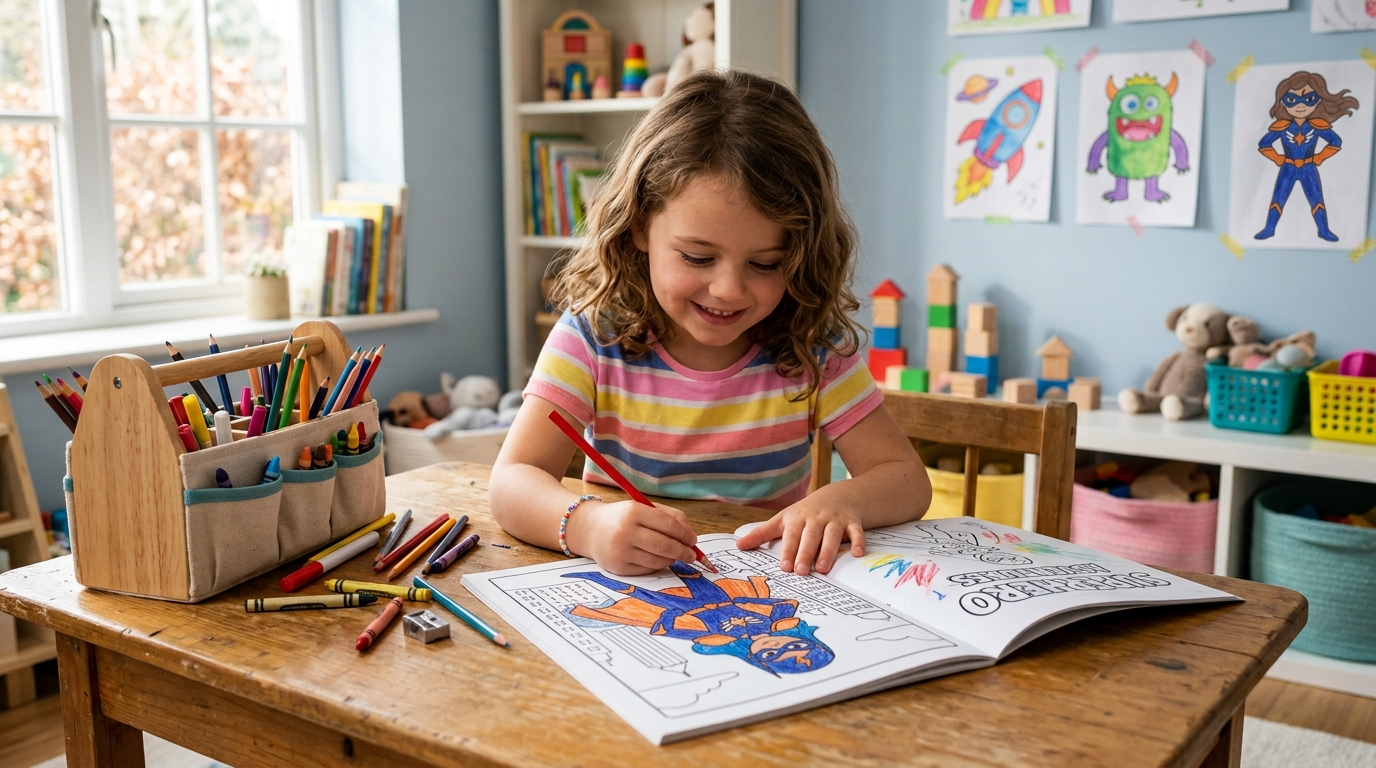
If there’s a superhero-obsessed kid in your house, there’s a good chance Power Rangers has come up at least once this week. The colorful suits, the team dynamic, and the larger-than-life action make it an easy franchise for kids to get excited about — and that excitement translates really well into quiet-time activities like coloring. Good coloring sheets Power Rangers fans respond to aren’t just line drawings; they’re a low-pressure way for kids to practice focus, fine motor control, and color recognition while doing something they already love.
This guide walks through what actually makes a set of Power Rangers coloring sheets worth using, how to match them to your child’s age and skill level, and a few simple ways to stretch a coloring session into a longer activity without much extra planning.
Coloring isn’t just a way to pass the time before dinner. For younger kids especially, coloring sheets Power Rangers characters appear in give them a chance to:
Because the Power Rangers cast is built around a clear color-coded team, coloring sheets double as a gentle color-matching exercise. A child coloring the red ranger’s suit red, or the blue ranger’s suit blue, is reinforcing color recognition without it feeling like a lesson.
Not every coloring sheet is designed the same way, and picking one that fits your child’s current skill level makes a big difference in how much they enjoy it.
Toddlers and preschoolers (ages 2–4):
Look for simple, bold outlines with large open spaces. Detailed armor patterns or small background elements are frustrating at this age. A single ranger figure with minimal detail is usually the better choice.
Early elementary (ages 5–7):
Kids in this range can usually handle a bit more detail — a ranger mid-action pose, a simple background, or two characters together. This is also a good age to introduce a wider color palette instead of just crayons, like washable markers or colored pencils.
Older kids (ages 8+):
More detailed scenes, team lineups, or vehicle and Zord illustrations tend to hold their attention longer. Some kids at this age also enjoy shading and blending techniques, so sheets with more open surface area give them room to experiment.
If you’re unsure which level to start with, it’s usually better to start a notch easier than you think your child needs. A coloring sheet that feels achievable keeps the activity enjoyable instead of turning into a frustrating task.
Not all printable designs are created equal. A few practical things worth checking before you print a batch:
You don’t need anything elaborate, but having the right basics on hand helps:
A small caddy or bin to keep everything together also makes coloring a grab-and-go activity rather than something that requires setup every time.
Coloring sheets Power Rangers kids enjoy don’t have to be a standalone activity. A few easy ways to extend the fun:
A couple of small things are worth keeping in mind, especially with younger children:
None of this requires special equipment — just a bit of attention to the basics so the activity stays fun rather than becoming a hassle.
Coloring sheets are a great low-cost complement to other Power Rangers-themed toys and gear, whether that’s action figures, role-play sets, or vehicle toys. Many families use coloring time as a quieter counterpart to more active, physical play — something to fill a rainy afternoon, a car ride, or a few minutes before dinner. If your child is deep into a Power Rangers phase, browsing Toys R Usa’s selection of action figures and playsets is a natural next step once the crayons go back in the box.
1. What age is appropriate for Power Rangers coloring sheets?
Most kids can start with simple, bold-outline designs around age 2–3. As fine motor skills develop, usually by age 5 or 6, they can move on to more detailed sheets with smaller sections and background elements.
2. Do I need special paper to print coloring sheets at home?
Standard printer paper works fine for crayons and colored pencils. If your child uses markers, slightly heavier paper or cardstock helps prevent ink from bleeding through to the next page.
3. How can I make coloring time last longer for an active kid?
Pairing coloring with a related activity — like acting out a scene afterward or building a small display area for finished pages — tends to hold attention better than coloring alone.
4. Are there different difficulty levels within Power Rangers coloring sheets?
Yes. Designs range from simple single-character outlines for younger kids to detailed team scenes, action poses, and vehicle or Zord illustrations for older kids who want more of a challenge.
5. What supplies work best for younger children just starting to color?
Chunky crayons or washable markers are usually easiest for toddlers and preschoolers to grip and control. Colored pencils are better suited to older kids with more developed fine motor skills.


Leave a comment